Rosie: Elevating Brand Identity with Quirky, Handwritten Valentine’s Aesthetics
In the rapidly evolving landscape of digital design and brand communication, typography has transcended its traditional role as a mere vessel for text. It has become a primary vehicle for emotional connection, brand personality, and visual storytelling. Amidst this shift, Rosie emerges not just as a typeface, but as a strategic design asset that bridges the gap between playful whimsy and professional application. By combining cute Valentine’s element silhouettes with the organic flow of handwritten scripts, Rosie offers a unique aesthetic that resonates deeply with modern consumers who crave authenticity and warmth in their interactions with brands.
The Evolution of Emotional Typography in Modern Design
The contemporary market is saturated with clean, minimalist sans-serif fonts that prioritize readability above all else. While functional, this ubiquity has led to a form of visual fatigue among audiences. Consumers are increasingly drawn to designs that feel human, tactile, and emotionally resonant. This is where Rosie distinguishes itself. It taps into the growing trend of "emotional typography," where the shape and style of letters convey feeling before the words are even read.
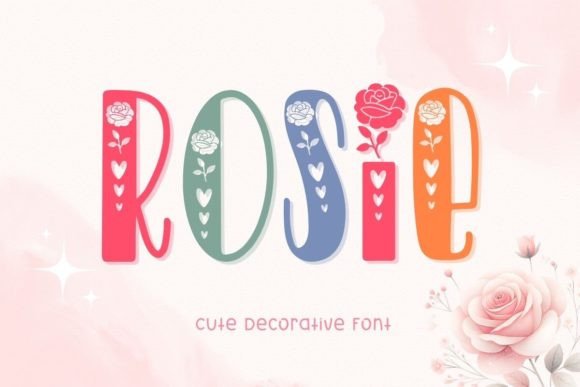
Rosie’s quirky style is not accidental; it is a deliberate response to the demand for distinctiveness. The font integrates silhouettes reminiscent of Valentine’s Day motifs—hearts, arrows, and soft curves—into the structure of the letters themselves. This integration allows designers to create visuals that are inherently celebratory and affectionate without relying on excessive graphic overlays. For entrepreneurs and marketers, this means achieving a high-impact visual result with greater efficiency, aligning with the industry's move toward streamlined yet expressive workflows.
Why Rosie Captures Attention in a Crowded Marketplace
Attention is the most valuable currency in the digital age. To capture it, brands must break through the noise of standardized corporate aesthetics. Rosie achieves this through its inherent unpredictability and charm. The handwritten nature of the font introduces slight irregularities and organic flows that mimic natural human movement. This subtle imperfection creates a sense of intimacy and trust, qualities that are particularly valuable for small businesses, freelancers, and lifestyle brands aiming to build community rather than just a customer base.
Furthermore, the inclusion of Valentine’s elements within the font structure serves a dual purpose. It provides immediate thematic relevance for seasonal campaigns while offering a year-round appeal for brands centered on love, care, beauty, and wellness. The silhouette details act as micro-icons, adding layers of visual interest that encourage viewers to linger longer on social media posts, banners, and product packaging. This extended engagement time is critical for conversion rates in e-commerce and digital marketing contexts.
Practical Applications Across Industries and Mediums
The versatility of Rosie makes it an ideal choice for a wide array of design projects. Its ability to adapt to various mediums ensures that brand consistency can be maintained across both digital and physical touchpoints. Below are key areas where Rosie delivers exceptional value:
- Social Media Content: In the fast-paced environment of Instagram, TikTok, and Pinterest, visuals must stop the scroll. Rosie’s bold, quirky characters stand out against typical background images, making it perfect for quote graphics, promotional announcements, and story highlights.
- Product Packaging and Mugs: For physical products, especially in the gift and lifestyle sectors, typography on packaging acts as a silent salesperson. Printed on mugs, tote bags, or box labels, Rosie adds a tactile, handcrafted feel that enhances perceived value.
- Stationery and Cards: The font’s roots in handwritten aesthetics make it naturally suited for greeting cards, wedding invitations, and personal stationery. It conveys sincerity and personal touch, which are essential for occasions celebrating milestones and relationships.
- Apparel and Merchandise: T-shirts and hoodies featuring Rosie transform simple garments into statement pieces. The font’s playful nature appeals to demographics looking for expressive, non-corporate fashion choices.
- Digital Banners and Web Headers: On websites, Rosie can be used effectively in hero sections or call-to-action buttons to inject personality into otherwise structured layouts, guiding user attention with warmth rather than urgency.
Aligning with Consumer Trends and Preferences
The rise of Rosie coincides with broader consumer shifts toward personalization and experiential consumption. Modern buyers are not just purchasing products; they are buying into identities and values. Fonts like Rosie enable brands to communicate values such as joy, inclusivity, and creativity instantly. This alignment is crucial in sectors like beauty, education, and hospitality, where the emotional experience of the customer is paramount.
Moreover, the "quirky" aspect of Rosie appeals to the Gen Z and Millennial demographics, who often reject rigid corporate norms in favor of brands that display humor and individuality. By utilizing a font that feels bespoke and artistic, businesses signal that they are approachable and in tune with contemporary cultural currents. This perception can significantly influence brand loyalty and advocacy.
Enhancing Workflow Efficiency for Creators and Freelancers
For designers, freelancers, and content creators, time is a critical resource. Rosie simplifies the design process by embedding decorative elements directly into the typography. Traditionally, creating a Valentine-themed or love-centric design would require selecting a font, then separately sourcing and positioning heart icons or floral silhouettes. Rosie consolidates these steps, allowing creators to achieve a complex, layered look with a single text layer.
This efficiency does not come at the cost of customization. The font remains flexible enough to be paired with complementary sans-serifs or serifs for body text, ensuring readability while maintaining visual interest in headings. This modularity supports rapid prototyping and iteration, enabling agencies and independent creators to meet tight deadlines without sacrificing quality. As the demand for high-volume, high-quality content continues to grow, tools that streamline creative execution without compromising aesthetic integrity become indispensable.
The Strategic Value of Distinctive Branding
In a globalized market, differentiation is key to survival. Using widely available, generic fonts can lead to brand dilution, where a company’s visual identity becomes indistinguishable from competitors. Rosie offers a pathway to distinctiveness. Its unique combination of handwritten fluidity and symbolic silhouettes creates a memorable visual signature. When customers associate this specific aesthetic with a brand, it strengthens brand recall and recognition.
Consider a boutique coffee shop launching a new blend named after love and connection. Using Rosie on their menu boards, social media ads, and cup sleeves creates a cohesive narrative that reinforces the product’s theme. Similarly, a freelance photographer specializing in couple portraits can use Rosie on their website and business cards to immediately communicate their niche and style. In both cases, the font acts as a strategic tool that aligns visual presentation with business objectives.
Looking Forward: The Role of Expressive Typography
As technology advances, particularly in the realms of augmented reality and dynamic web design, the role of typography will continue to expand. Fonts will need to be more adaptive, more expressive, and more capable of conveying nuanced emotions across diverse platforms. Rosie represents a step in this direction, offering a design language that is both timeless in its emotional appeal and modern in its execution.
For professionals and enthusiasts alike, embracing fonts like Rosie is not just about following a trend; it is about recognizing the power of visual communication in building meaningful connections. Whether used for a heartfelt card, a bold social media campaign, or a stylish product label, Rosie provides the tools to create designs that resonate, engage, and endure. By integrating such expressive elements into their work, creators can elevate their projects from functional to unforgettable, meeting the evolving expectations of an audience that values authenticity above all else.
In conclusion, Rosie is more than a decorative font; it is a versatile design solution that addresses the modern need for emotional resonance and visual distinctiveness. Its unique blend of handwritten charm and Valentine’s-inspired silhouettes makes it an invaluable asset for anyone looking to infuse their work with personality and warmth. As the design landscape continues to prioritize human connection, Rosie stands out as a forward-thinking choice for creators who understand that how something looks is just as important as what it says.